Choosing your trailer type is one of the biggest decisions an owner-operator makes. It shapes what you haul, what you earn, how hard the work is, and how much your equipment costs to run. There's no single "best" answer — but there is a best answer for you, and it comes down to rates, costs, demand, and how much difficulty you're willing to take on.
Quick answer
- Highest headline rates: Flatbed
- Most consistent year-round demand: Reefer
- Easiest to start and simplest to run: Dry van
- Best net profit depends on your efficiency, your market, and your tolerance for seasonality.
Dry van: the default choice
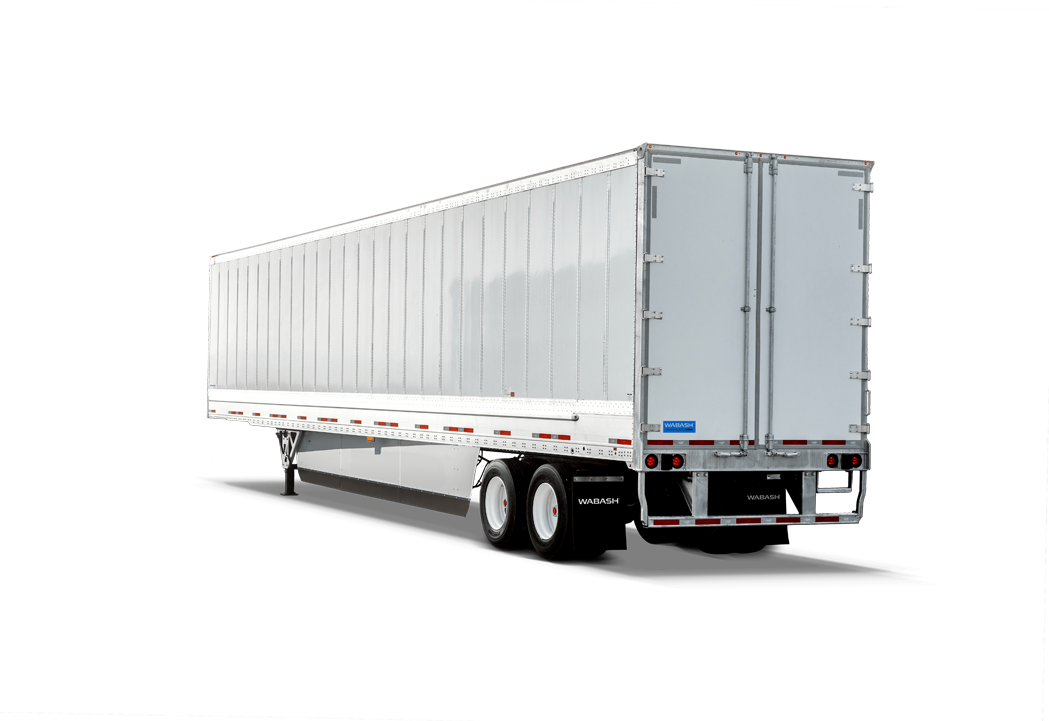
Dry vans are the enclosed box trailers you see everywhere. They haul non-perishable freight — packaged goods, retail products, paper, electronics — and they're the simplest trailer to operate.
Pros
- Lowest equipment cost of the three and the least maintenance
- No temperature control, no tarping, no securement headaches
- The largest freight market — loads are almost always available
Cons
- Because dry van is so common, it's the most competitive segment, which keeps rates lower. As of early 2026, dry van spot rates sat around $2.47/mile.
- Easy to enter means easy to compete away your margins
Best for: New owner-operators who want a straightforward operation and the widest pool of freight while they learn the business.
Reefer: steady demand, higher rates, higher costs
A refrigerated trailer hauls temperature-controlled freight — produce, meat, dairy, frozen food, and increasingly pharmaceuticals. It's a dry van with a refrigeration unit bolted on, which is both its advantage and its cost.
Pros
- Reefer loads typically pay 10–20% more than comparable dry van loads.
- Year-round demand. People buy food in every season, so reefer freight is less seasonal than flatbed.
- Built-in flexibility: turn the reefer unit off and the trailer works as an enclosed dry van.
Cons
- Higher purchase and operating cost — that reefer unit burns fuel and needs its own maintenance.
- Stricter requirements: temperature compliance, cleanliness, and tight delivery windows.
As of early 2026, reefer spot rates ran around $2.88/mile.
Best for: Operators who want consistent, higher-paying freight and don't mind the extra cost and discipline reefer requires.
Flatbed: highest rates, hardest work
Flatbed trailers haul anything that doesn't fit in a box — steel, lumber, machinery, construction materials, oversized loads. They pay the most and ask the most of you.
Pros
- Highest rates of the three — around $2.95/mile on the spot market in early 2026, and specialized loads can pay $3.50 to $10+/mile.
- Lower equipment cost than reefer (no refrigeration unit).
- Less direct competition because the work is harder and requires skill.
Cons
- Physically demanding: you're tarping, strapping, chaining, and securing loads in every kind of weather.
- Seasonal: flatbed freight leans on construction and manufacturing, so it booms in spring/summer and dips in winter.
Best for: Operators who want the highest earning ceiling and are willing to do the physical work and ride out seasonal swings.
Side-by-side comparison
| Factor | Dry Van | Reefer | Flatbed |
|---|---|---|---|
| Spot rate (early 2026, approx.) | ~$2.47/mi | ~$2.88/mi | ~$2.95/mi |
| Equipment cost | Lowest | Highest | Medium |
| Operating cost | Lowest | Highest | Medium |
| Demand consistency | High, but crowded | High, year-round | Seasonal |
| Physical difficulty | Low | Medium | High |
| Best for | Simplicity & volume | Steady higher-pay freight | Highest ceiling, hard work |
Rates above are spot-rate references as of early 2026 and move constantly. Treat them as directional. Your net profit depends far more on your cost-per-mile and how well you keep the truck loaded than on the sticker rate.
So which should you choose?
Ask yourself three questions:
- How much startup capital do I have? Dry van and flatbed are cheaper to get into than reefer.
- Can I handle seasonal swings? If not, reefer's year-round demand is safer than flatbed's boom-and-bust.
- How hard do I want to work? Flatbed pays the most partly because fewer drivers want to tarp a load at 5 a.m. in January.
A common path: start in dry van to learn the business, then move into reefer or flatbed once you understand your costs and your lanes.
Get the right trailer without the upfront hit
Whichever direction you choose, you don't have to buy the trailer outright to get started. Super Ego Holding leases and sells dry van, reefer, and flatbed trailers — late-model and maintained to a high standard — so you can match your equipment to the freight you want to haul.
Apply for a lease or browse our fleet. New to ownership? Start with our guide to semi-truck lease-to-own.